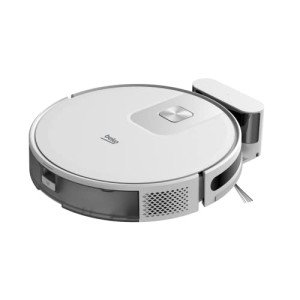
Robotic Hoovers: The Future of Home Cleaning
Recently, robotic hoovers have actually rapidly gotten popularity as a convenient solution for modern home cleaning. These autonomous devices use effective and effortless cleaning alternatives, permitting property owners to maintain tidy living spaces without the strenuous effort typically connected with vacuuming. This short article looks into the workings of robotic hoovers, their advantages, and factors to consider for possible buyers.
What is a Robotic Hoover?
Robotic hoovers, frequently called robotic vacuum cleaners, are compact, automated devices designed to clean floors with very little human intervention. They make use of different technologies to navigate around obstacles, identify dirt, and adjust to various surface areas for optimal cleaning.
Key Components of Robotic Hoovers:
| Component | Description |
|---|---|
| Sensing units | Help in discovering challenges and cliff edges |
| Brushes | Enable efficient dust and particles removal |
| Vacuum Mechanism | Suctions dirt into a collection chamber |
| Battery | Powers the system for independent operation |
| Control Software | Enables navigation, scheduling, and cleaning mode modification |
How Do Robotic Hoovers Work?
Robotic hoovers overcome a combination of sensing units, cameras, and artificial intelligence to browse and tidy floorings. Here's a general overview of their operation:
- Mapping and Navigation: Some advanced designs utilize LiDAR innovation or cameras to develop a map of the cleaning locations. Standard models might operate using bump sensing units, which trigger responses upon contact with obstacles.
- Cleaning Patterns: Robotic hoovers typically follow methodical cleaning patterns, such as zigzag or spiral, to make sure extensive coverage. More advanced ones use algorithms to cover the entire location effectively.
- Dirt Detection: Many models are equipped with dirt detection innovation that enables them to focus on particularly filthy locations before proceeding.
- Automatic Recharge: When the battery is running low, robotic hoovers automatically go back to their docking stations to charge, ensuring they are always prepared for the next cleaning cycle.
Advantages of Robotic Hoovers
Improved benefit is a leading benefit of robotic hoovers, but there are many other benefits worth thinking about:
- Time-Saving: Users can set cleaning schedules and leave the maker to do its work, allowing them to focus on other tasks.
- Constant Cleaning: Robotic hoovers can keep day-to-day or weekly cleaning regimens, leading to consistently cleaner floorings.
- Multi-Surface Cleaning: Many designs can cleaning a variety of surface areas, including wood, tile, and carpet.
- Compact Design: The small size of robotic hoovers enables them to gain access to tight and hard-to-reach spaces where standard vacuums may have a hard time.
- Smart Features: Many robotic hoovers are now suitable with wise home systems, permitting users to begin and control cleaning through smartphone apps or voice commands.
Disadvantages of Robotic Hoovers
Regardless of their many advantages, robotic hoovers also come with some disadvantages that potential buyers should keep in mind:
- Limited Suction Power: While they are effective for regular maintenance, they might not replace traditional vacuums for deep cleaning.
- Maintenance Requirements: Users need to routinely empty dust bins, tidy brushes, and change filters to maintain optimum efficiency.
- Cost Point: High-quality robotic hoovers can be significantly more expensive than basic vacuum.
- Dependence on Flat Surfaces: While innovative designs can manage some obstacles, high shifts, extremely thick carpets, or chaotic rooms may position difficulties.
Choosing the Right Robotic Hoover
When picking a robotic hoover, potential purchasers must think about several important aspects:
- Cleaning Needs: Consider the kinds of surface areas and the level of particles present in the home.
- Battery Life: Longer battery life enables for more substantial cleaning sessions.
- Navigation System: Opt for designs with sophisticated mapping abilities if your home is large or complex.
- Smart Features: Determine if combination with clever home devices is a priority.
- Budget plan: Assess the balance between desired functions and price.
Popular Features to Look For:
- Self-emptying Dock: Some models use self-emptying dust bins, reducing upkeep efforts.
- Virtual Barriers: This feature can keep the vacuum out of particular locations such as pet bowls or playing locations.
- Mop Functionality: Certain robotic hoovers can likewise mop floorings in addition to vacuuming, offering deeper cleaning.
FAQ Section
Q1: Do robotic hoovers work on carpets?
Yes, a lot of robotic hoovers are created to clean up a range of surfaces, including carpets. However, efficiency may differ based on the specific design and type of carpet.
Q2: How often should I run my robotic hoover?
It is recommended to run the robotic hoover a minimum of once a week for ideal home tidiness. However, many users find value in day-to-day cleaning.
Q3: Can I manage my robotic hoover from another location?
Many contemporary robotic hoovers come with accompanying smartphone apps that permit users to set up cleansings, track the vacuum's area, and control its operations remotely.
Q4: What maintenance does a robotic hoover require?
Regular upkeep includes emptying the dustbin, cleaning brushes, and changing filters as required-- normally every 6 to 12 months.
Q5: Are robotic hoovers safe for pets?
Yes, most robotic hoovers are safe for pets, but it's essential to ensure they do not get stuck or tangled in the gadget.
Robotic hoovers represent a considerable development in home cleaning technology. While robot cleaner UK might not entirely change conventional vacuum cleaners, their benefit and effectiveness make them an appealing option for busy families. By understanding their functionality, advantages, and possible disadvantages, customers can make informed decisions when selecting a robotic hoover to enhance their home cleaning regimens.